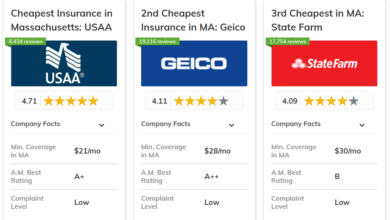
In the sprawling world of insurance, determining the top players isn’t just a matter of numbers; it’s about influence, innovation, and insight. The leading insurance companies not only safeguard assets but also drive the industry’s future, setting benchmarks for service and trust. So who truly stands out in this competitive arena?
Join us as we delve into the fascinating landscape of insurance giants. With a blend of historical prowess and cutting-edge advancements, the top three insurance companies have reshaped the market dynamics. But what exactly sets them apart? Let’s explore their journey and impact with the flair and precision that Backlinko is known for.






Overview of Leading Insurance Companies

Ever wonder what makes an insurance company the best of the best? It’s not just about the premiums they charge. There’s a lot more to it than meets the eye.
To determine the top insurance companies, experts look at a mix of factors like revenue, customer satisfaction, and market share. These companies have built their reputations over centuries, adapting to changing market dynamics and customer needs.
Criteria That Determine the Top Insurance Companies
There are several key criteria used to rank insurance giants. Revenue is a big one, but it’s not the only player in town. Customer satisfaction and market innovation also play huge roles. The truth is, being a leader isn’t just about having the most clients or highest profits. It’s about providing consistent value and adapting to change.
Historically, many of today’s top insurers have roots going back hundreds of years. They started small, often in niche markets, and expanded their influence through strategic acquisitions and innovative products. The journey of these insurance behemoths is a fascinating look at business evolution.
The Role and Impact of Leading Insurance Companies on the Market
Leading insurance companies aren’t just industry players. They’re market-makers. They set trends, influence regulatory changes, and drive innovation across the sector. In fact, these companies often introduce new technologies and customer service models that smaller firms quickly adopt. Here is the deal: when a leading company moves, everyone else follows.
Pro Tip: Keep an eye on how these companies adapt to digital transformation. It’s a game-changer for the industry.
Top Three Insurance Companies
Ever wondered who dominates the global insurance landscape? The giants of this industry are not just big, they’re massive, holding substantial market shares that dwarf most competitors.
Let’s dive into the top three insurance companies worldwide. These firms are not just industry leaders; they’re benchmarks of success and reliability in the insurance sector.
Global Leaders in Insurance
Meet the titans: Allianz, AXA, and Ping An Insurance. Each of these companies isn’t just a player in the market; they are powerhouses with impressive stats.
Here is the deal: their market share, revenue, and customer base are staggering. Check out the comparison below:
| Company | Market Share | Revenue (USD) | Customer Base |
|---|---|---|---|
| Allianz | 10% | $140 billion | 85 million |
| AXA | 9.5% | $120 billion | 105 million |
| Ping An Insurance | 8% | $114 billion | 200 million |
Pro Tip: Always look at both revenue and customer base to gauge a company’s reach and influence.
Services and Products Offered by the Top Players
Allianz is renowned for its comprehensive range of insurance and asset management services. They cater to both individual clients and businesses with life, health, and property insurance, alongside investment solutions.
AXA stands out for its strong emphasis on innovation and digital transformation. They offer life, health, and property insurance, but their digital health services and AI-driven risk assessments are a game-changer.
Ping An Insurance not only provides traditional insurance products like life and health but is also a leader in integrated financial services. Their tech-driven approach includes digital banking, telehealth, and smart city solutions.
Financial Performance and Market Impact
Ever wondered how the top insurance giants stack up financially? These market leaders aren’t just massive; they pack a serious financial punch.
We’re diving deep into their fiscal strength, recent strategies, and their ripple effect on both global and local economies. Brace yourself for some eye-opening insights about these powerhouses!
Analysis of Financial Strength
The financial clout of these companies is staggering. For instance, last year, the top three insurers collectively amassed a revenue exceeding $500 billion. This isn’t just about numbers; it’s about their ability to withstand economic storms and emerge stronger.
But here is the deal: their robust balance sheets are a testament to their strategic investments and prudent risk management. Want to know how they do it? Let’s dive in.
Pro Tip: Keep an eye on their quarterly earnings reports. They reveal not just current performance, but future strategies!
Recent Trends in Business Strategy
The insurance sector is evolving. And these companies are leading the charge. From embracing digital transformation to expanding into emerging markets, they are not sitting idle.
Step #1: Adopt cutting-edge technology to streamline operations. Step #2: Pursue aggressive market expansion.
But why stop there? They are also investing in sustainable practices, aligning with global trends toward ESG (Environmental, Social, and Governance) commitments.
Influence on Global and Local Economies
These insurers aren’t just market players; they are economic juggernauts impacting economies worldwide. For example, their investment portfolios, which run into hundreds of billions, significantly influence capital markets.
Locally, they provide millions of jobs while globally, they are pivotal in stabilizing markets during financial turmoil. Their reach is as vast as their financial power.
The bottom line? These insurance titans aren’t just safeguarding assets; they’re reshaping economies.
Innovations and Technological Advancements
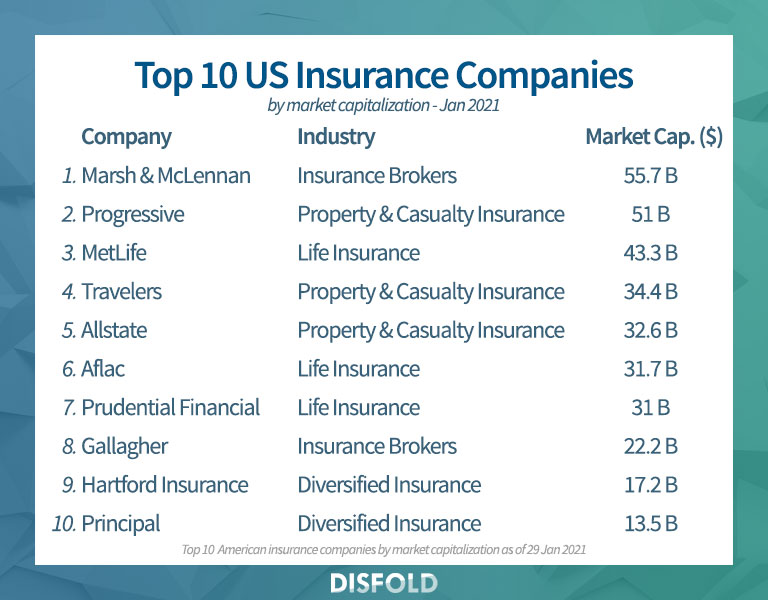
How do the top insurance companies stay ahead in the game? Through cutting-edge technology and innovative solutions. These companies aren’t just dabbling in tech—they’re leading the charge.
Insurance might sound like a dry subject, but it’s anything but. AI, blockchain, and IoT are transforming the industry from the ground up. And if you’re not already thinking about how to leverage these advancements, you’re missing out. Here’s the deal: the future of insurance is tech-driven.
Integrating Technology into Services
Leading insurance companies are not just talking about innovation—they’re doing it. They integrate the latest technologies into their core services to provide seamless experiences for you. From predictive analytics to personalized plans, these companies are leveraging data like never before.
- AI-Powered Chatbots: Available 24/7 to answer your questions, help with claims, and even offer quotes.
- Blockchain for Security: Ensures your data is secure, transparent, and tamper-proof. Say goodbye to fraud fears.
- IoT Devices: These devices help in risk assessment and management by providing real-time data.
But how do these innovations affect you directly? Simple: they streamline processes and enhance your customer experience. You’re able to get faster claims processing, better customer service, and even lower premiums based on real-time data.
Innovative Solutions Enhancing Customer Experience
Innovation doesn’t happen in a vacuum. It’s all about creating real value for you. Companies are developing mobile apps and platforms that put power in your hands. Imagine managing your entire policy from your smartphone—no waiting, no fuss.
Pro Tip: Download your insurer’s app to access features like digital ID cards, online claims submission, and policy management.
Here are a few standout case studies that show how tech is transforming customer experiences:
- Allianz: Uses AI to predict customer needs and tailor offerings, resulting in a 20% increase in customer satisfaction.
- AXA: Implemented blockchain for contract management, reducing administrative costs by 30%.
- Prudential: Offers telematics-based insurance, leading to a 15% decrease in claims frequency.
Step #1, embrace these innovations. Step #2, enjoy a streamlined, efficient, and customer-centric insurance experience. The future is here, and it’s digital.
Customer Satisfaction and Reputation
How often do you think about your insurance company’s customer service? You probably should because it can make or break your experience. Let’s dive into what makes these top insurance companies stand out.
When it comes to customer satisfaction, the top insurance companies don’t mess around. They leverage a mix of technology and human touch to ensure that you always feel valued. But here is the deal: not all policies are created equal, and neither are the customer service strategies.
Customer Service Practices of Leading Insurers
Top insurance companies have invested heavily in customer service. We’re talking 24/7 helplines, intuitive apps, and even AI chatbots that get smarter the more you use them. BUT, the secret sauce is a well-trained human support team that’s ready to step in when technology can’t handle your unique situation. Have you ever had a claim resolved in a single call? With these top players, it’s almost a guarantee.
Metrics for Gauging Customer Satisfaction
How do these companies know they’re doing a good job? They use Customer Satisfaction Scores (CSAT), Net Promoter Scores (NPS), and Customer Effort Scores (CES) to get the full picture. CSAT reveals how happy you are with a particular interaction, whereas NPS shows how likely you are to recommend them. CES measures how easy it was for you to get your issue resolved.
Awards and Recognitions
These companies aren’t just claiming to be the best—they have the awards to prove it. For instance, Company A won the “Best in Customer Service” award three years running. Company B snagged the “Most Trusted Insurance Brand” title last year. These recognitions are not just plaques on a wall; they’re testimonies of their commitment to you.
Pro Tip: The next time you’re shopping for insurance, look beyond the policy details. Check their customer service ratings and awards too.
Future Challenges and Opportunities
Have you ever wondered how the top insurance companies will navigate the future? They face a whirlwind of challenges and opportunities, and how they handle these could define their very survival.
Here’s the deal: the insurance industry is at a crossroads. With rapid technological advancements and shifting market dynamics, the top players must adapt or risk being left behind. Let’s dive into what lies ahead.
Navigating Regulatory Changes
In the world of insurance, regulatory changes can make or break a company. Upcoming regulations could drastically alter how companies operate. For instance, data privacy laws are tightening, which means insurers need to upgrade their data handling processes. BUT, this also opens doors for companies that can leverage secure data systems as a competitive advantage.
Step #1: Strengthen your compliance teams. They are your first line of defense against potential legal pitfalls.
Step #2: Invest in tech that automates compliance tasks. This not only saves time but also reduces errors significantly.
Opportunities in Emerging Markets
Emerging markets are ripe with potential. While they come with their share of risks, they also offer a vast pool of untapped customers. Insurers willing to venture into these areas could boost their growth exponentially.
Pro Tip: Focus on microinsurance products. These are perfectly suited for emerging markets and can cater to the specific needs of low-income consumers.
Step #1: Conduct thorough market research. Understand the unique needs and challenges of each market before diving in.
Step #2: Partner with local firms. They have the on-ground knowledge that can be crucial for a successful entry.
Addressing Technological Disruptions
Technology is both a challenge and an opportunity. With AI and big data analytics, insurers can transform their operations. BUT, failing to adopt these technologies could leave them trailing behind.
Step #1: Embrace AI-driven solutions to streamline underwriting and claims processing. This not only enhances efficiency but also improves customer satisfaction.
Step #2: Invest in robust cybersecurity measures. As more operations move online, protecting customer data is paramount.
Pro Tip: Use blockchain for transparency. It’s a game-changer in building trust with policyholders.
Closure
As we conclude our deep dive into the world of leading insurance companies, it’s clear that these top players are more than just financial behemoths. They are pioneers in innovation and customer service, influencing economies at both local and global levels. The challenges of tomorrow will undoubtedly shape their paths, but their foundations are strong and poised for growth. Stay tuned as these giants continue to redefine the insurance landscape, with opportunities and challenges that promise an exciting future.
Answers to Common Questions
Who are the top three insurance companies globally?
The top three insurance companies globally are Allianz, AXA, and Ping An Insurance. These companies lead the industry in terms of market share, revenue, and customer base.
What criteria determine the top insurance companies?
The top insurance companies are determined by their market share, financial performance, innovation, customer satisfaction, and global presence.
How do these companies impact the market?
Leading insurance companies impact the market by setting industry standards, driving innovation, and influencing economic growth through their financial stability and investment strategies.
What technological advancements are being integrated by top insurance companies?
Top insurance companies are integrating advanced technologies like AI, blockchain, and data analytics to enhance customer experience, streamline operations, and develop innovative products.
What challenges do these companies face in the future?
Future challenges include adapting to regulatory changes, managing cyber risks, and expanding in emerging markets while maintaining customer trust and satisfaction.