Welcome to the ultimate guide on “How Much Is Auto Insurance in Massachusetts.” If you’re a driver in the Bay State, understanding auto insurance costs is crucial not just for budgeting but for ensuring you have the right coverage. With varying rates across different cities and a multitude of factors affecting your premium, it’s time to dive deep into the nuances of Massachusetts auto insurance.
In this guide, crafted with the precision and depth that Backlinko is known for, we’ll unravel the complexities of auto insurance in Massachusetts. From the average costs city by city to the impact of your personal profile, you’ll find everything you need to navigate the insurance landscape confidently. Let’s get started on this informative journey!






Average Cost of Auto Insurance in Massachusetts
Ever wondered how much you’re really paying for auto insurance in Massachusetts? You’re not alone. With costs skyrocketing, it’s crucial to understand what factors come into play.
The truth is, auto insurance rates in Massachusetts aren’t just numbers pulled out of thin air. They’re influenced by a variety of factors like your driving record, age, and even where you live. Yep, your zip code can be a deal-breaker.
Factors Affecting Auto Insurance Rates
So, what exactly determines your auto insurance premium in Massachusetts? Your driving history is a huge factor. If you’ve got a clean slate, congrats! You’re likely paying less. But if you’ve had a few fender benders, brace yourself for higher rates.
Then there’s your age. Younger drivers, especially those under 25, typically see higher premiums. Why? Insurers consider them high-risk. And let’s not forget your car’s make and model. Luxury vehicles often come with luxury-priced insurance. Ouch!
City-Wise Cost Breakdown
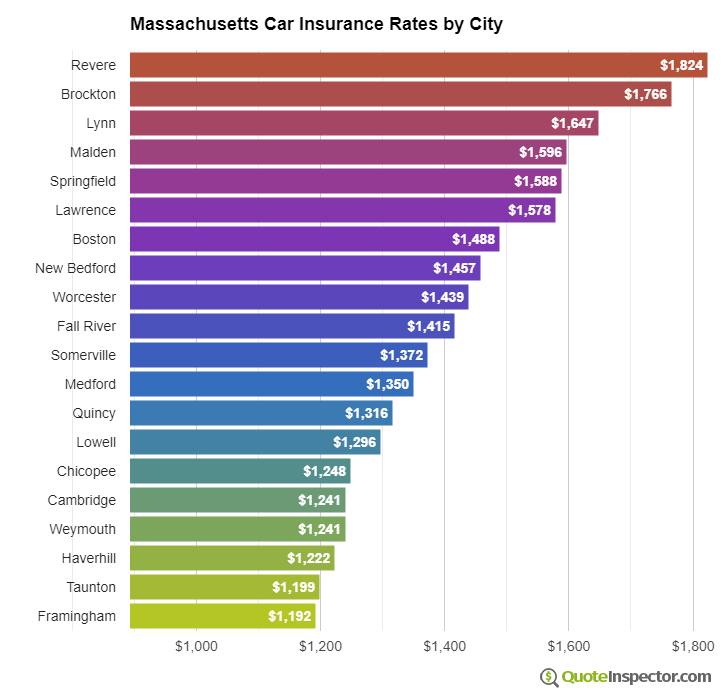
Now let’s dive into some numbers. Auto insurance isn’t uniformly priced across Massachusetts. Urban areas tend to have steeper rates compared to rural locations. Here’s how it breaks down:
| City | Average Annual Cost |
|---|---|
| Boston | $1,500 |
| Worcester | $1,200 |
| Springfield | $1,100 |
| Cape Cod | $1,000 |
As you can see, if you’re living in Boston, you’re likely shelling out more cash compared to someone in Cape Cod.
Massachusetts vs. Other States
Here’s the deal: Massachusetts isn’t the most expensive state for auto insurance, but it’s not the cheapest either. It ranks somewhere in the middle compared to other states. Lucky you, if you were thinking Massachusetts could be worse.
Pro Tip: If you’re looking to shave dollars off your premium, consider bundling your auto insurance with home or renters insurance. Insurers often provide discounts for multiple policies.
While Massachusetts offers competitive rates, it’s always smart to shop around. You never know where you might snag a better deal!
Coverage Options Available in Massachusetts
Did you know that Massachusetts has some of the most stringent auto insurance requirements in the U.S.? If you’re driving around the Bay State, it’s crucial to understand what coverage you need to stay on the right side of the law—and protect your finances.
Every driver in Massachusetts must carry a minimum level of auto insurance to legally hit the road. But it’s not just about meeting legal requirements; choosing the right coverage can save you from financial headaches down the line.
Massachusetts Minimum Insurance Requirements
Here’s the deal: In Massachusetts, the mandatory minimum coverage includes Bodily Injury to Others, Personal Injury Protection, Bodily Injury Caused by an Uninsured Auto, and Damage to Someone Else’s Property.
- Bodily Injury to Others: $20,000 per person/$40,000 per accident
- Personal Injury Protection (PIP): $8,000 per person
- Bodily Injury Caused by an Uninsured Auto: $20,000 per person/$40,000 per accident
- Property Damage: $5,000 per accident
Comparing Coverage Levels
Let’s put this into perspective. You have options beyond the minimum coverage. But which one is right for you? Here’s a quick comparison of coverage levels offered by various insurance companies:
| Coverage Type | Minimum Coverage | Full Coverage |
|---|---|---|
| Bodily Injury to Others | $20,000/$40,000 | $100,000/$300,000 |
| Personal Injury Protection | $8,000 | $10,000 |
| Uninsured Motorist | $20,000/$40,000 | $100,000/$300,000 |
| Property Damage | $5,000 | $50,000 |
As you can see, full coverage offers significantly higher limits, which can make a huge difference in a major accident.
Full Coverage vs. Minimum Coverage: Pros and Cons
Opting for full coverage might seem like a no-brainer, but it’s not for everyone. The benefits? You get peace of mind knowing that you’re protected against more scenarios, from natural disasters to theft.
Pro Tip: If you have a new or expensive car, full coverage is often worth every penny.
But there’s a catch—full coverage is typically more expensive. If your vehicle is older or has less value, minimum coverage might make more financial sense. Always weigh the cost against the potential risk to make the best choice for you.
Impact of Driver Profile on Insurance Rates
Did you know that your driver profile can make or break your car insurance rates? In Massachusetts, factors like age, driving history, and credit score play a huge role in determining how much you pay.
Here’s the deal: insurance companies are all about assessing risk. They look at your age, past driving experiences, and even your financial behavior to decide how likely you are to file a claim. Let’s dive deeper into how each of these elements affects your premiums.
Age, Driving History, and Credit Score’s Role
If you’re a young driver, brace yourself. You’re seen as high-risk, simply because of your lack of experience. But if your driving history is squeaky clean, you might get a break! Older drivers with a proven track record behind the wheel tend to enjoy lower rates.
Pro Tip: If you’re a new driver, consider taking a defensive driving course. It could help shave some dollars off your premium!
Your credit score is another biggie. In Massachusetts, insurers are allowed to use your credit score as a factor. A better score usually means lower premiums. Keep that credit score high, and you might keep your insurance costs lower too.
Insurance Rates Comparison: Young vs. Experienced Drivers
Let’s put it in perspective. Here’s a quick comparison of how age affects insurance costs:
- Young drivers (18-25): $$$
- Mid-age drivers (26-55): $$
- Older drivers (55+): $
As you can see, the younger you are, the more you pay. So, driving safely and waiting it out can actually save you a ton of money!
Vehicle Type and Usage Influence
Not all cars are created equal when it comes to insurance costs. The type of vehicle you drive and how you use it can significantly impact your premiums. Sports cars and luxury vehicles often attract higher rates because they cost more to repair and replace. Daily commuters typically pay more than someone who just uses their car on weekends.
If you use your vehicle for business purposes, expect to pay more. Business use increases both the mileage and the risk of accidents. The bottom line? Choose your ride wisely and be honest about how you use it. It’s the key to managing your insurance costs effectively.
Discounts and Savings Opportunities
Want to save on your auto insurance premiums in Massachusetts? You’re in luck. There are multiple strategies to cut costs without skimping on coverage.
But here’s the deal: knowing the right discounts can make a huge difference. Many drivers overpay simply because they aren’t aware of the savings they could be tapping into.
Strategies to Reduce Auto Insurance Premiums
Let’s dive into some quick wins. First, consider adjusting your deductible. A higher deductible usually means lower premiums. But make sure you can afford the out-of-pocket cost if an accident happens. Next, always shop around. Insurance rates can vary wildly between providers. Plus, reviewing your policy every year helps you catch any discounts you might be missing.
Another great strategy: maintain a clean driving record. Safe drivers get rewarded with lower rates. And don’t forget to ask your insurer about any specific discounts for low mileage or vehicle safety features.
Common Discounts Offered by Insurance Providers
Before you dive into the table below, ensure you check which discounts you qualify for. You might be surprised how much you can save!
| Discount | Description | Potential Savings |
|---|---|---|
| Safe Driver | For drivers with no recent accidents or tickets | Up to 25% |
| Bundling | Combine auto and home insurance with the same provider | Up to 20% |
| Good Student | For students with a B average or higher | Up to 15% |
| Automatic Payment | Set up auto-pay for premium payments | Up to 5% |
Pro Tip: If you’ve recently installed safety devices like anti-lock brakes or airbags, check with your insurer. Many offer discounts for these features!
Eligibility Criteria for Popular Discounts
Unlocking these discounts often has specific eligibility requirements. For safe driver discounts, you typically need a clean record for at least three years. Meanwhile, bundling usually requires you to hold multiple policies with the same provider. If you’re a student, maintaining a high GPA could earn you that good student discount. And for automatic payment savings, all you need is to set up direct debit.
Don’t let these opportunities slip through your fingers. These discounts are designed to reward good behavior and smart choices.
Major Auto Insurance Providers in Massachusetts
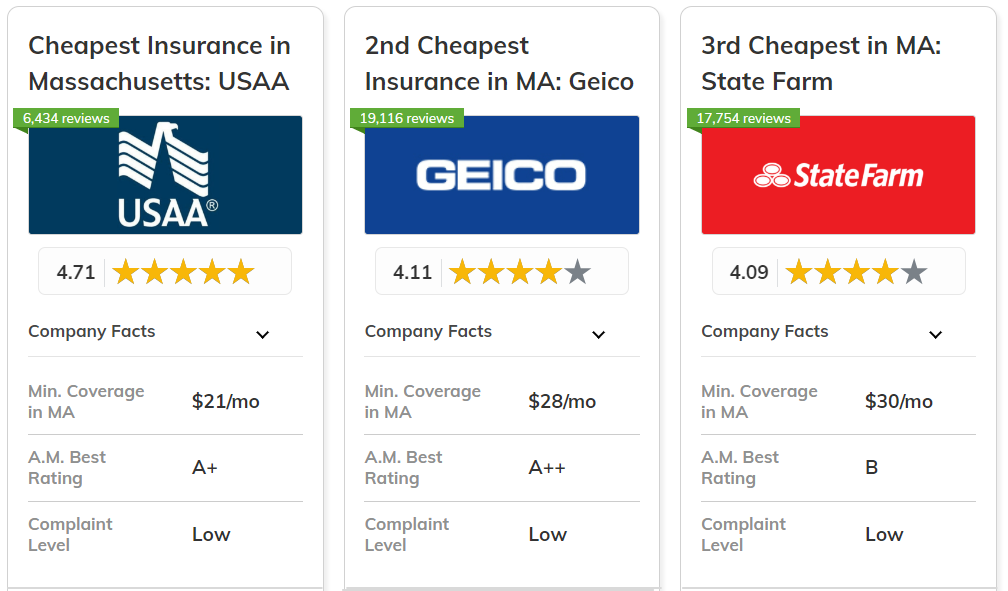
Did you know that choosing the right auto insurance provider can save you hundreds of dollars a year? In Massachusetts, several top companies dominate the market, each with unique strengths and weaknesses.
Let’s dive into what makes each provider stand out. We’ll cover the big names, how they handle claims, and what you need to know before making a switch.
Top Providers and Their Unique Offerings
Massachusetts hosts a competitive field of auto insurance companies. Geico, Progressive, State Farm, and Allstate are some of the leaders here. But what sets them apart?
- Geico: Known for its low rates and easy-to-use online platform. If you love handling insurance digitally, Geico might be your go-to.
- Progressive: Offers fantastic bundle discounts. Pair your auto insurance with other types of coverage for significant savings.
- State Farm: Famous for exceptional customer service. If you prefer a personal touch, State Farm agents are ready to help.
- Allstate: Offers comprehensive claims handling with various add-ons. You can customize your policy to fit your exact needs.
But here’s the deal: lower rates sometimes come with trade-offs in customer service or claims satisfaction. Make sure you know what you’re gaining and losing with each provider.
Understanding Customer Service and Claims Handling
Ever dealt with slow claims processing? It’s a nightmare! Here’s how these providers compare:
| Provider | Customer Service Rating | Claims Satisfaction | Pricing |
|---|---|---|---|
| Geico | 8/10 | 7/10 | Low |
| Progressive | 7/10 | 8/10 | Medium |
| State Farm | 9/10 | 9/10 | Medium |
| Allstate | 8/10 | 8/10 | High |
State Farm and Allstate consistently receive high marks for claims satisfaction, which can make all the difference when you’re in a bind.
How to Seamlessly Switch Providers
Thinking about switching your provider? Here’s what you need to do.
- Evaluate your current policy. Know what you have before making any changes.
- Get quotes from multiple providers. Use online tools to compare quickly.
- Check for penalties. Some policies have cancellation fees or penalties for switching mid-term.
- Ensure no coverage gaps. Cancel your old policy only after the new one is active.
Pro Tip: Always ask about new customer discounts or promotions when switching providers!
This can result in substantial savings on your next policy.
Legal and Regulatory Factors
Did you know state regulations in Massachusetts are crucial in shaping auto insurance policies? These laws can be a double-edged sword, providing protection but also impacting your wallet.
State regulations dictate the minimum coverage requirements, influencing how insurance companies set their rates. In Massachusetts, the state mandates specific minimum coverage levels that every driver must carry. This includes liability coverage for bodily injury and property damage. But here’s the deal: these requirements are just the starting point.
Impact of Recent Legislation on Insurance Rates
Recently, legislation changes have sent ripples through insurance rates and coverage options. For instance, the introduction of laws targeting distracted driving has led to stricter penalties and, consequently, increased premiums for offenders. New laws mean insurance companies adjust their risk assessments, which can hike up your costs. So, staying on the right side of these laws isn’t just good for safety—it’s good for your bank account too!
Staying Informed about Auto Insurance Laws
How can you keep up with these ever-shifting legal landscapes? Here are a few tips:
- Subscribe to newsletters from your insurance provider—many send updates on relevant laws.
- Check the Massachusetts Division of Insurance website regularly for any announcements.
- Consider setting Google Alerts for “Massachusetts auto insurance laws” to get notified about changes instantly.
Pro Tip: Talk to your insurance agent yearly to review your policy against current laws. They can provide insights that online updates might miss.
Final Summary
In conclusion, understanding how much auto insurance costs in Massachusetts involves looking at a mix of factors from geographical location to personal driving history. By exploring your options and leveraging available discounts, you can find a policy that fits both your needs and budget. Remember, staying informed and proactive is your best tool in managing insurance costs effectively. Here’s to safer roads and smarter choices!
FAQ Section
What factors affect auto insurance rates in Massachusetts?
Auto insurance rates in Massachusetts are influenced by factors like location, age, driving history, vehicle type, and credit score.
How do insurance rates vary across different cities in Massachusetts?
Insurance rates can vary significantly by city due to differences in traffic density, crime rates, and local accident statistics.
What is the minimum insurance requirement for Massachusetts drivers?
Massachusetts requires drivers to carry minimum liability coverage, including bodily injury and property damage liability.
Is full coverage worth it compared to minimum coverage?
Full coverage provides greater protection but at a higher cost, whereas minimum coverage meets basic legal requirements but may leave you vulnerable.
Are there discounts available to reduce auto insurance premiums?
Yes, discounts such as safe driver, multi-policy, and good student discounts can significantly lower your insurance premiums.